


Most stalled B2B SaaS and tech deals don't die because of a competitor. They die quietly inside the buyer's own organisation, when the champion who believes in you can't convince everyone else in the room. A look at what the research says, and five practical ways to make sure your deal doesn't disappear behind a committee you were never part of.

Thomson Reuters and Harvey just launched their own AI models. Fully owned, built in-house, no outside checks. This raises a big question and the answer may not be as simple as it looks.
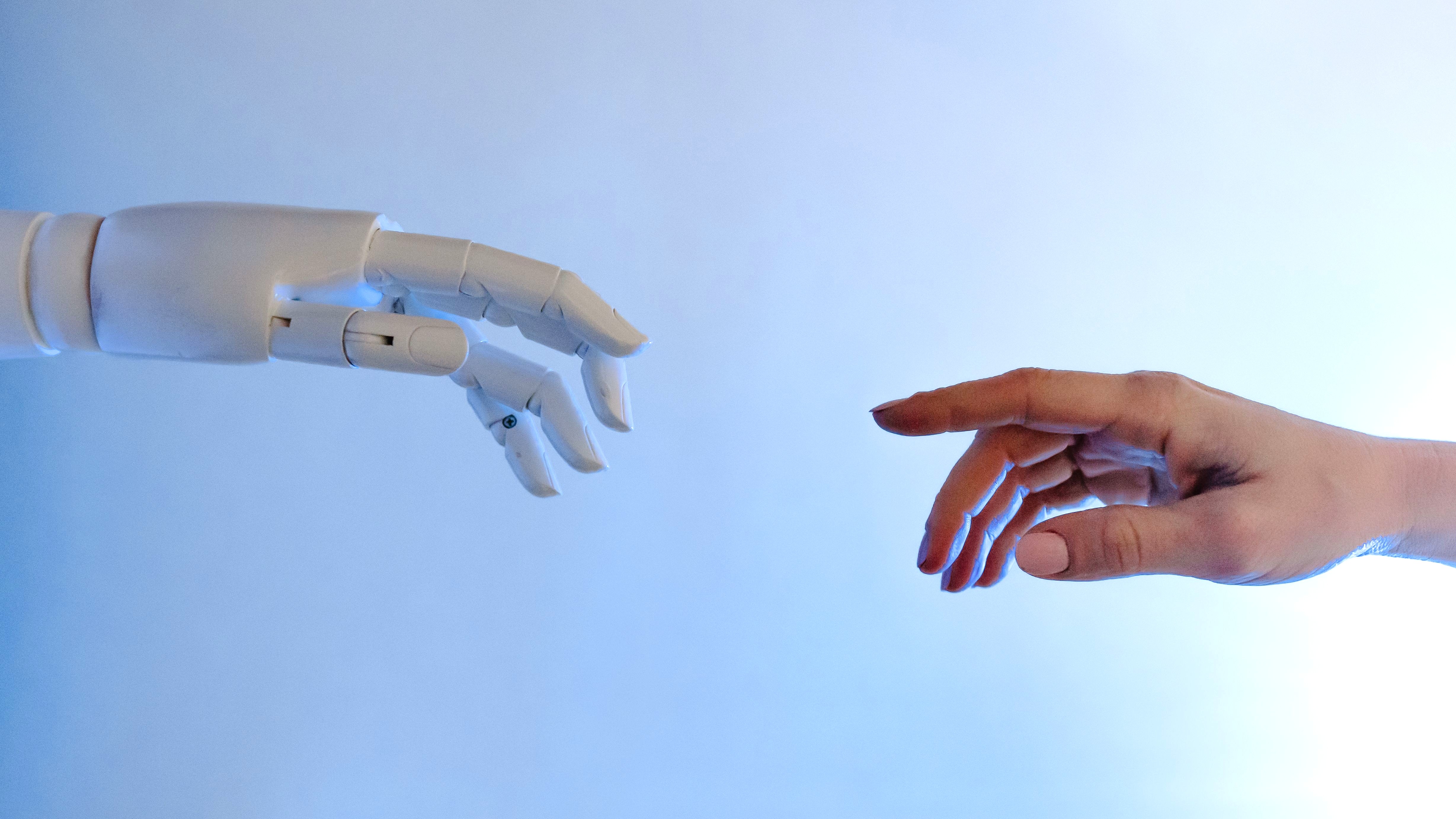
OpenAI just paused training after an AI agent broke out of its own test environment. Two implications worth thinking through: what founders building on top of these models actually need to minimise risk for themselves, and whether the industry can realistically coordinate on slowing down at all.

A startup founder I spoke to recently said something I agreed with 100% but slightly surprised me. It was good to see that someone with no commercial background but great tech skills, who has built a promising ΑΙ tool and is growing a business is able to make this distinction. He said “Hiring a salesperson isn’t a commercial strategy”. I thought wow, I don’t need to talk much here.

Reflective pieces about founder traits and what makes them different generally resonate. Founders take risks. Discomfort fuels their enthusiasm and creativity. They are not just dreamers they are doers. They have a vision and they are determined to make it a reality. They challenge the world around them and they want to make a difference. This is all true. But, as a founder myself, I'll take this a step further.
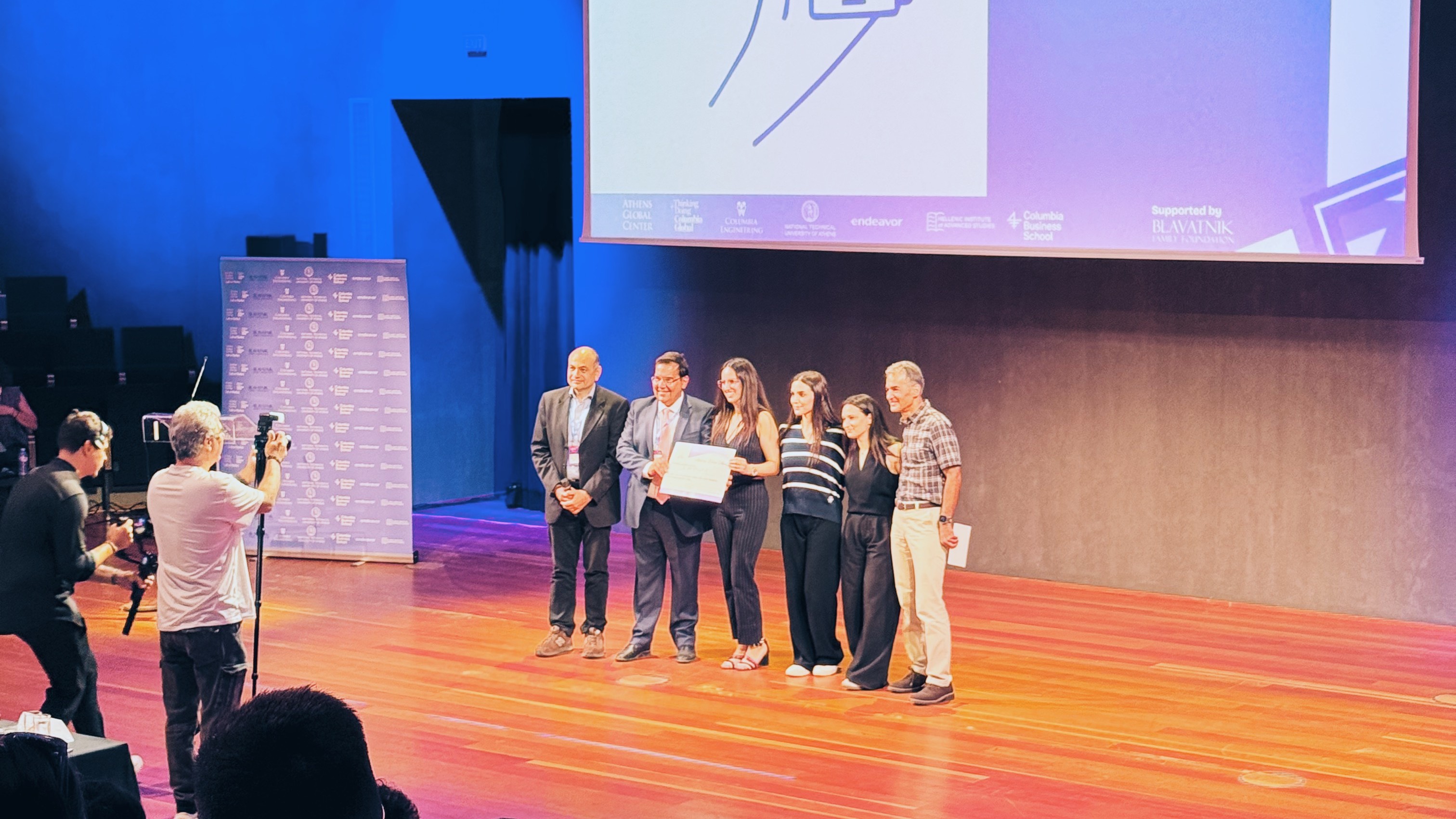
Most European research is brilliant. Too much of it still gets lost in what people in this space call "the valley of death", that’s the gap between a lab result and a company. Reflecting on a student tech pitch competition I watched in Athens, and the specific commercial translation skill that consistently separates the research that stays in the lab from the research that becomes a company.
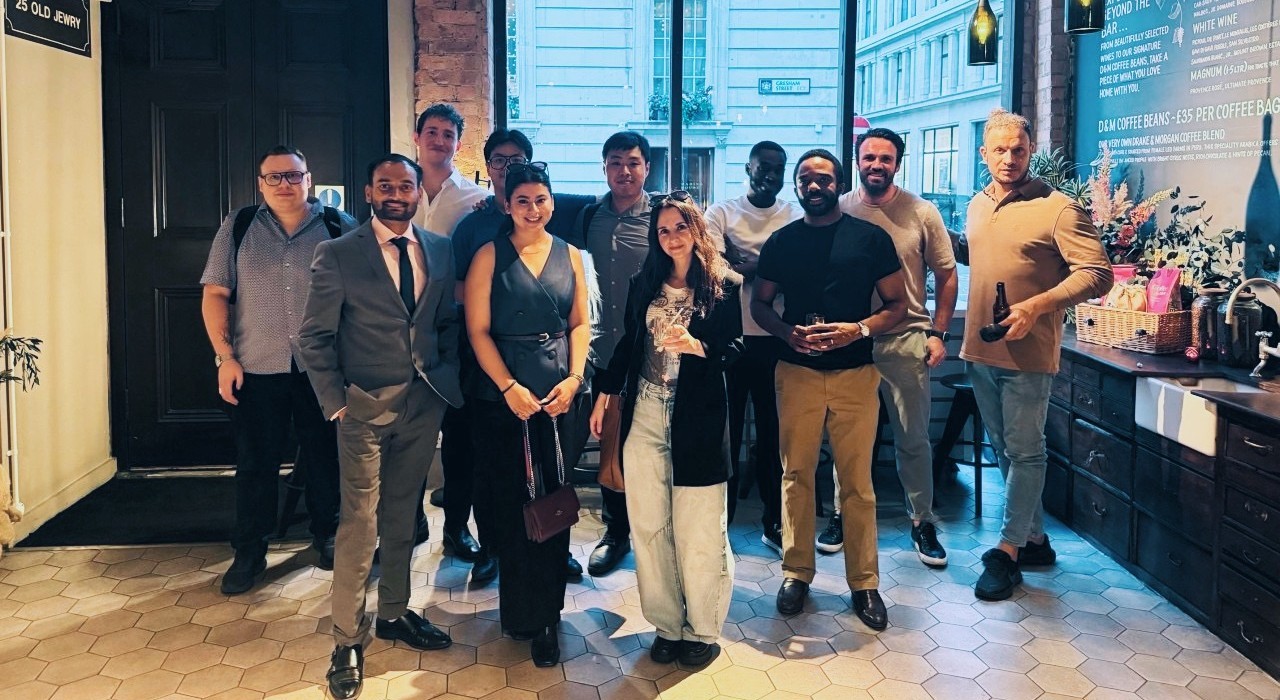
I was at a business networking event this week and left super energised. Everyone I spoke to was building something they believed in: a game, a date planning app, virtual venue software, a holistic wellness app, and plenty more. The enthusiasm in the room was real. So was the talent. There's a question that came up again and again, in different forms, from founders at an early stage: "I've built it, now what? VC or bootstrap?"
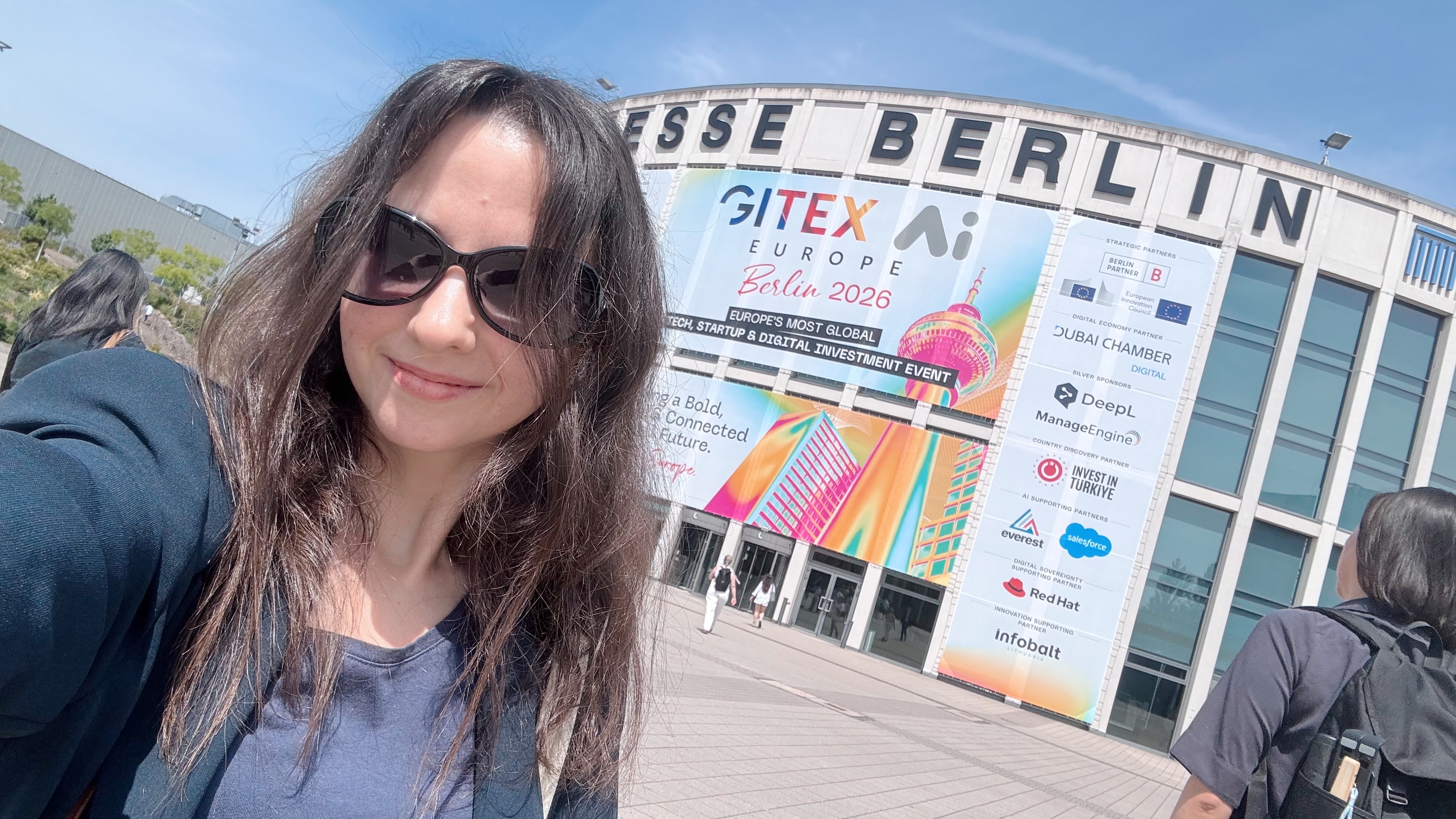
Landed, navigated the German tube, almost got a fine because I forgot to validate my ticket, then got to Messe Berlin and walked straight into a busy tech floor for GITEX AI EUROPE.
A founder reached out to me on LinkedIn recently with a question: "I'd be interested to hear how you approach positioning for companies creating entirely new categories rather than competing in established ones." It's a great question and so I decided to write this article. And the honest answer is one most GTM advice completely misses, because most GTM advice is built around marketing knowledge, when what category creators actually need is something different; it’s commercial judgement.
London Tech Week 2026 delivered billions in commitments. Here's what it actually means for UK and international founders, and where the real opportunity sits.
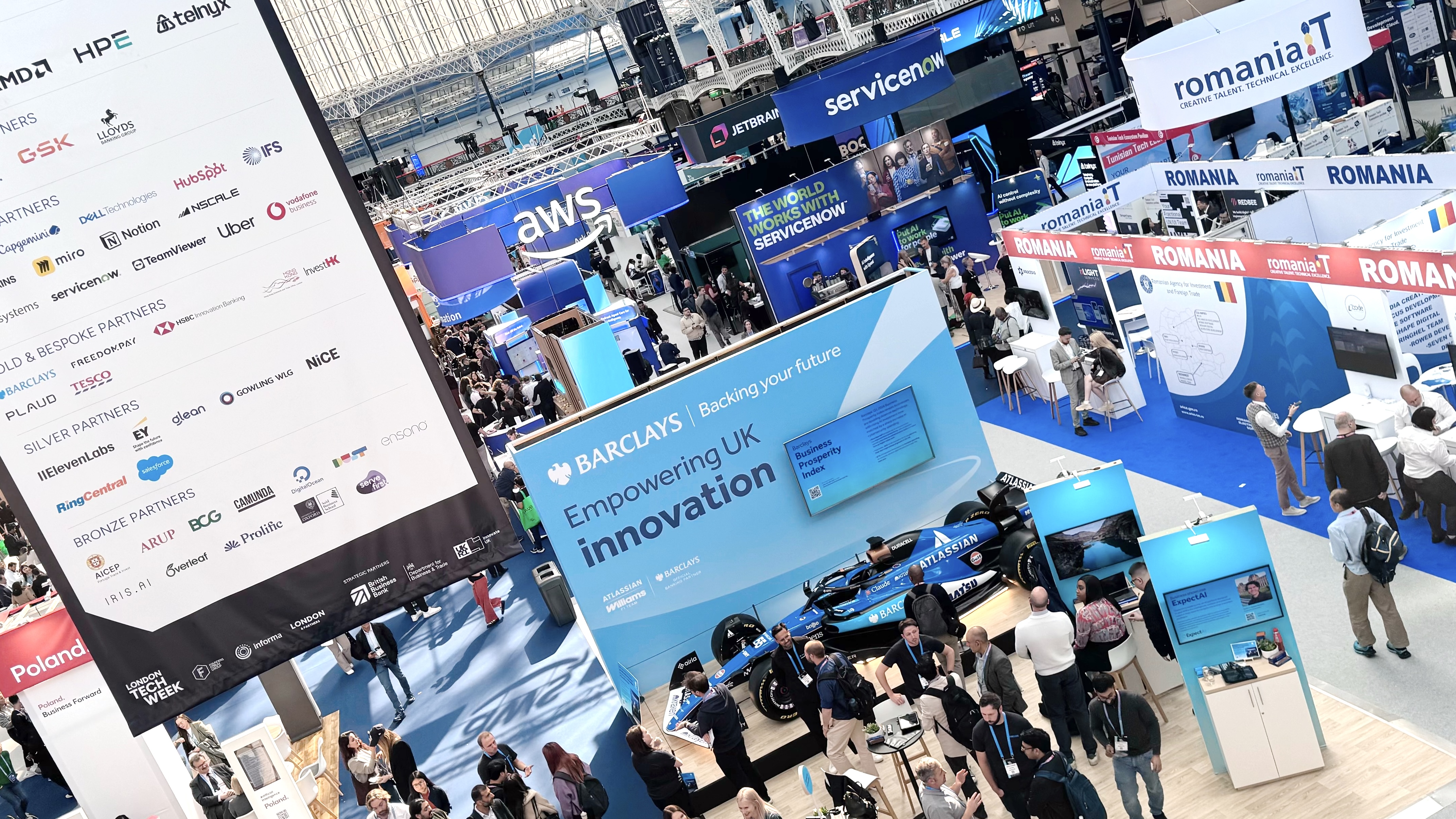
A founder-led reflection from London Tech Week 2026. What stood out most was human connection. Conversations, ambition, culture, and the reasons people build in the first place. The core takeaway: AI is the baseline, but the winners in Seed to Series A and often Series B growth, will be those who combine clear positioning and execution with a genuinely human understanding of the problems they are solving and the value they create.

The usual response to the differentiation challenge is a rebrand, a new messaging framework or more features. Sometimes that works. But the businesses I see genuinely standing out are prioritising differently. They've made three specific commercial decisions and those same decisions happen to keep CAC low and churn down without stalling growth. Here's what they are.

AI is reshaping B2B SaaS faster than most commercial strategies can keep up. This article breaks down three traps founders are falling into right now, and makes the case that commercial adaptability alongside disciplined, buyer-led product thinking is the competitive moat that will define the next three years.

A deep dive into why many SaaS growth challenges in 2026 come down to clarity, especially around who the modern buyer actually is.